Hands-on property development experience

Property Development Mentor

One-to-one, practical mentoring for property developers

Practical property development mentoring for first-time developers through to experienced developers tackling new sites, unfamiliar projects or gaps in their knowledge.

38Years in property
1:1Practical mentoring
£1,000+ VAT per month
3Month minimum
Who is this for?

Mentoring that meets you where you are.

I work with developers at different stages of their journey, tailoring my support to your existing experience, knowledge and ambitions.

01

Taking Your First Steps

You want to get into property development but aren't quite sure where to begin. From a first terraced-house refurbishment to a property to renovate and rent or sell, I can help you assess the opportunity, understand the numbers, identify risks and build the right relationships.

02

Ready to Move Up

You've completed a project or already have property experience and want to take on something bigger. We can look at conversions, development sites, multi-unit schemes, feasibility, planning, builders, architects, warranties and acoustics.

03

Experienced Developer

You know property development but are entering unfamiliar territory or want an experienced second opinion. I can challenge your thinking, discuss risks and help fill gaps in knowledge around complex, commercial, listed or unfamiliar projects.

How I can help you

From your first purchase to complex development.

Whether you're considering your first refurbishment or you're an experienced developer taking on something new, we'll start by understanding where you are now, what you're trying to achieve and where you need support.

From there, the mentoring follows a practical journey: define the right objectives, find and assess the right opportunity, build the right team and navigate the project with greater confidence.

Stage 01

Define the right objectives. Find the right opportunity.

Before you start looking for a property or development site, you need to be clear about what you're trying to achieve.

We'll start by defining your objectives — your experience, available resources, appetite for risk, preferred type and scale of project, timescale and intended outcome.

With clear objectives, we can then focus on finding the right opportunity at the right price, rather than simply buying a property and trying to make a development work around it.

Finding a property is easy. Finding the right property at the right price — with genuine development potential — is much harder. I can help you develop a structured approach to finding opportunities, whether you're looking for a refurbishment, conversion, development site or larger multi-unit project.

We'll look at where opportunities actually come from: building strong relationships with residential and commercial estate agents, approaching land and property owners, understanding local markets and identifying sites where others may not immediately see the potential.

Just as importantly, I'll help you assess an opportunity before you become emotionally or financially committed to it.

  • Is the asking price realistic for the opportunity?
  • Who is the eventual customer and is this the right product for them?
  • What could the completed development realistically be worth?
  • What development or conversion potential does the property have?
  • What are the likely build and professional costs?
  • Is there sufficient margin for the risks involved?
  • What planning, access, ground, services or other constraints need investigating?
  • Could Permitted Development rights unlock additional value or an alternative use?
  • What should you be asking the selling agent?
  • Where might there be scope to negotiate on price?
  • When should you walk away?

My estate-agency background means I understand the process from both sides of the transaction, including the value of building genuine relationships with agents and creating opportunities before they necessarily reach the wider market.

A good development doesn't start when you begin building. It starts with buying the right opportunity at the right price.

Stage 02

Build the right team

Understand what to look for in the professionals and providers who will help deliver your project.

  • Architects
  • Builders and contractors
  • Planning consultants
  • Structural engineers
  • Quantity surveyors
  • Finance brokers and advisers
  • Mechanical & electrical (M&E) consultants
  • Fire safety consultants
  • Building warranty providers
  • Other specialist consultants where required

Every development is different. These are examples of some of the main professionals you may need — the right team will depend on the project, its complexity and the issues involved.

Stage 03

Navigate the project

Get practical guidance through the decisions and challenges that can make or break a development.

  • Conversion risks and planning hurdles
  • Building Regulations and the practical issues developers need to consider
  • Acoustics and sound-separation requirements, particularly in conversions
  • Construction decisions and problem solving
  • Managing costs, programme and development risk
  • Management companies, communal areas, service charges and ongoing maintenance arrangements
  • Affordable housing obligations and their potential impact on the development
  • Progress reviews
  • Knowing when specialist professional advice is required

Management companies & communal areas

Multi-unit developments often involve areas that need to be managed after the development has been completed. These might be external areas such as landscaped gardens, private roads and shared parking, or internal areas such as communal entrances, hallways and other shared facilities.

I've had to address this on a number of my own developments, including establishing the appropriate management arrangements and considering how ongoing maintenance and service charges will work in practice.

It's something that needs thinking about early. The way communal areas are structured, maintained and paid for can affect the legal setup of the development, the information provided to purchasers and, importantly, how attractive the finished properties are to buyers.

As part of the mentoring, I can help you identify these issues early, understand the practical decisions that need to be made and recognise when your solicitor, managing agent or other professional advisers need to become involved.

When the building bears its teeth

Property development rarely goes exactly to plan. However thorough the surveys and pre-start checks are, sometimes a building or development plot “bears its teeth” and presents you with something you weren't expecting.

That might be a soft spot discovered when foundations are being excavated, asbestos uncovered during a conversion, unexpected drainage or services, structural issues hidden behind existing finishes, or simply a site condition that couldn't reasonably have been identified beforehand.

When something unexpected happens, the important thing is not to panic or make an expensive decision too quickly. We can talk through the problem, consider the implications for cost, programme, design and risk, identify the right questions to ask and, importantly, decide which member of the professional team needs to become involved.

I can't remove the unknowns from property development — nobody can — but years of working through real projects mean I've encountered plenty of them.

Sometimes good development is less about avoiding every problem and more about knowing how to respond when one appears.

Understanding Permitted Development

Permitted Development rights can sometimes create opportunities that aren't immediately obvious when assessing a property or site.

I can help you recognise when Permitted Development may be worth investigating — for example, certain changes of use, conversions, extensions or additional development — and understand the questions that need answering before you rely on those rights.

Permitted Development isn't automatically a green light. Rights can be subject to conditions, limitations, prior approval requirements and local restrictions, so where necessary we'll identify when a planning consultant or other specialist should be brought in.

Knowing when to bring in the experts

Part of good development is knowing what you don't know. I can help you identify when specialist advice is needed and the type of professional you should be speaking to. My role is to mentor and guide you through the development process — not to replace your architect, solicitor, accountant, structural engineer, planning consultant or other appropriately qualified professionals.

A written record of our discussions

Following each scheduled mentoring call, I'll send you a brief email summarising the main points we've discussed, similar to the minutes of a meeting.

This will capture the key issues raised, decisions or options discussed, and any actions or next steps we've identified, giving us both a clear record to refer back to at our next meeting.

Over time, these summaries will provide a useful record of your development journey and progress. They are intended as a summary of our mentoring discussions rather than a formal professional report or instruction.

Mentoring built around you

No two property developers — or development journeys — are the same.

You may be looking at your first refurbishment, preparing to take on a multi-unit development, or already be an experienced developer facing a project or challenge that's new to you.

That's why I don't offer a standard mentoring programme or a set course for everyone to follow.

I'll take the time to understand where you are now, what you already know, what you're trying to achieve and where you need support. From there, we'll tailor the mentoring around you, your goals and, where appropriate, the projects you're actually working on.

I also deliberately work with a limited number of mentoring clients at any one time. That allows me to get to know you and your projects properly and remain personally available when you need an experienced second opinion.

Your mentoring should be as individual as your development journey.

About Jonathan

The lessons that only experience teaches.

Jonathan Frith, property development mentor
Jonathan Frith

I've spent close to 40 years working in property, starting in estate agency in 1988 and progressing from trainee to Branch Manager before moving increasingly into property investment, refurbishment and development.

Over those years I've experienced the good and the bad sides of property development. I've had successful projects, dealt with difficult sites and planning problems, worked through challenging market conditions — and I've made mistakes along the way too.

You learn a great deal more from actually having your own money and reputation tied up in a development than you ever can from a textbook or training course.

My projects have ranged from individual refurbishments and investments to commercial offices, listed-building conversions and multi-property new-build developments such as Ranmoor Gardens.

I'm now in my mid-fifties and deliberately slowing down from larger development projects. I have an established residential and commercial property portfolio and still undertake smaller projects when the right opportunity comes along.

That has put me in a position where I'd like to use what I've learned to help other developers — particularly when a second opinion from somebody who has faced similar decisions could prevent an expensive mistake.

I'm not interested in selling people a dream about property development. It can be rewarding, but it can also be difficult, frustrating and expensive when things go wrong. My approach is practical: I'll tell you what I think, I'll challenge something if I don't believe it stacks up, and I'll be equally happy to say when I think you need specialist professional advice rather than mine.

I sometimes work from outside the UK, remaining in the same time zone, so this doesn't affect my availability to mentoring clients. When I'm mentoring somebody, I want them to feel they have an experienced developer at the end of the phone when they need to talk a problem through.

Experience that goes beyond theory

A career spanning estate agency, investment, renovation and development.

From estate agency and valuations to private investment, renovation and complex residential and commercial development.

1988–2001

Estate Agency

Progressed from trainee to Branch Manager, gaining practical experience in residential sales, valuations and market cycles.

1998–PRESENT

Investment & Renovation

Built and managed private property portfolios with a focus on buy-to-let and renovation.

2010–PRESENT

Development

Residential and commercial development including difficult brownfield sites, listed buildings and conservation-area conversions.

TODAY

Mentoring

Sharing practical experience with developers who want to progress with greater confidence and avoid costly mistakes.

Experience grounded in real projects.

Selected development experience.

Selected projects that show the range of practical experience behind the mentoring. The images below are taken from the original project brochures.

Case Study 01

Broomgrove Mews, Sheffield — Listed Building Conversion & New-Build Development

A Grade II listed Georgian mansion conversion in Sheffield, combining sensitive restoration with apartments, a converted coach house and new-build mews homes on a highly constrained site.

  • Negotiated the purchase
  • Oversaw design and planning with architects
  • Secured planning permission
  • Converted the listed building into 10 apartments
  • Converted the attached coach house
  • Built 3 new properties
  • Project-managed the build
  • Worked with a local estate agent to sell the properties off-plan

From Site Clearance to Completion

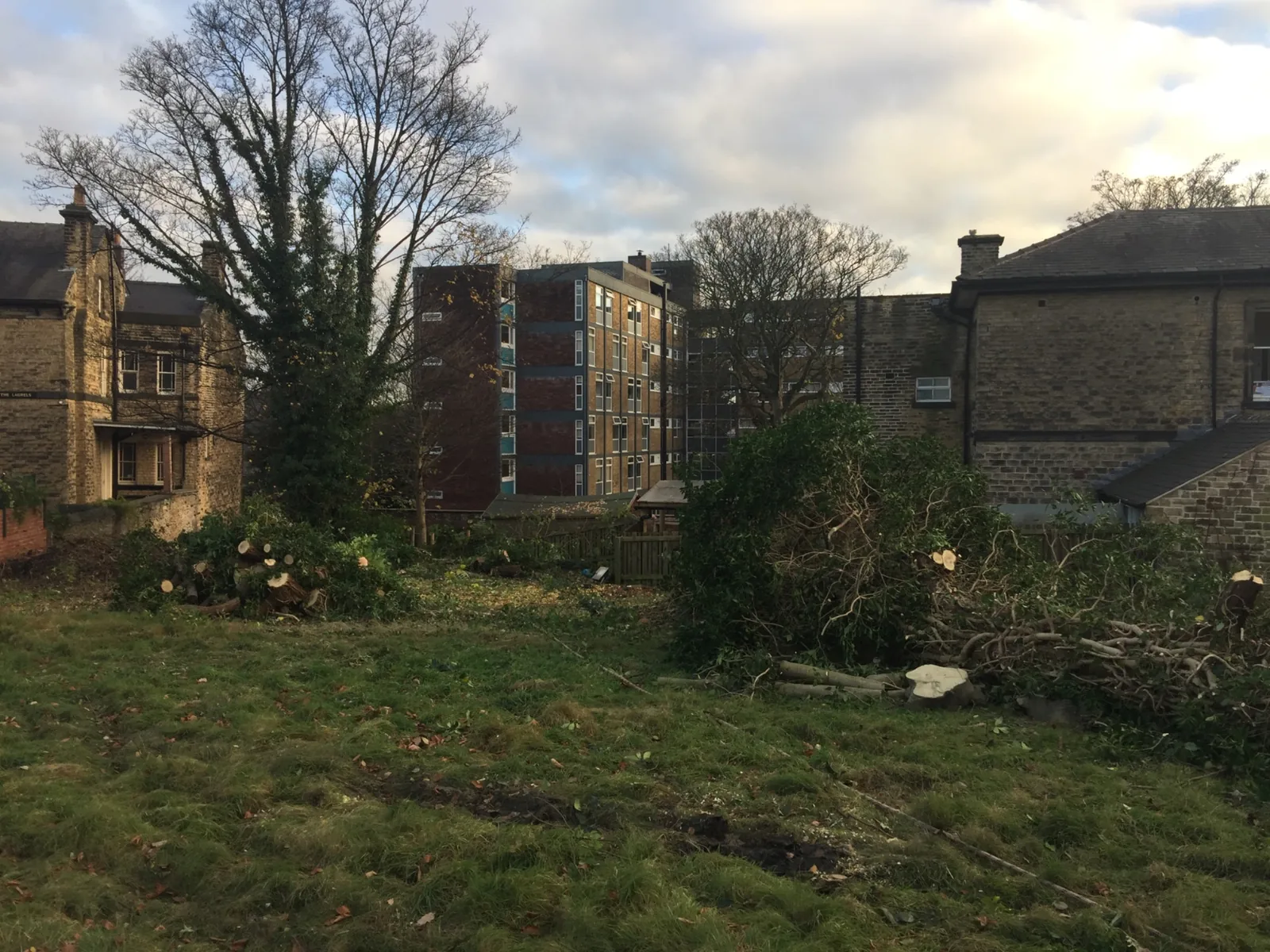
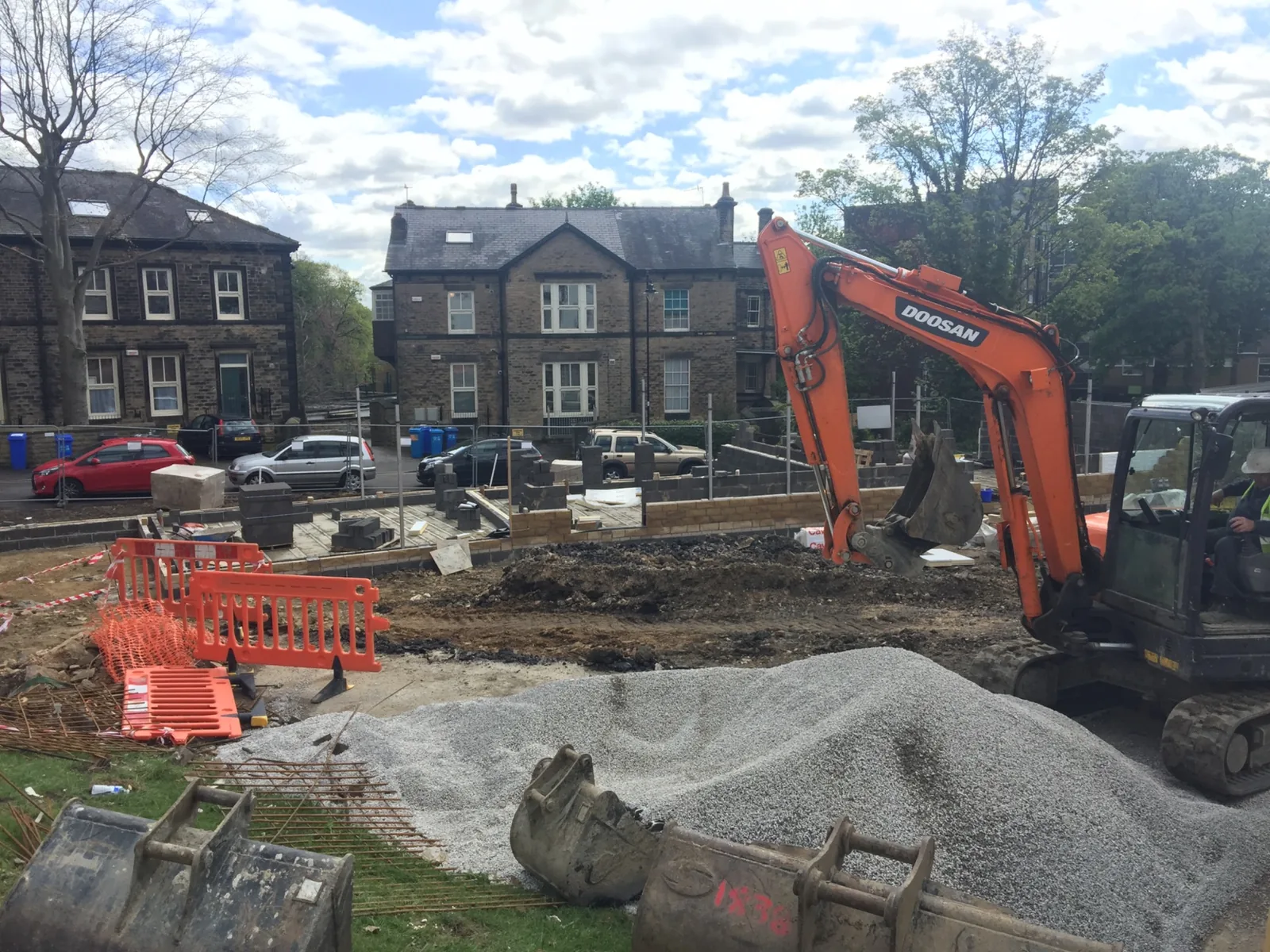
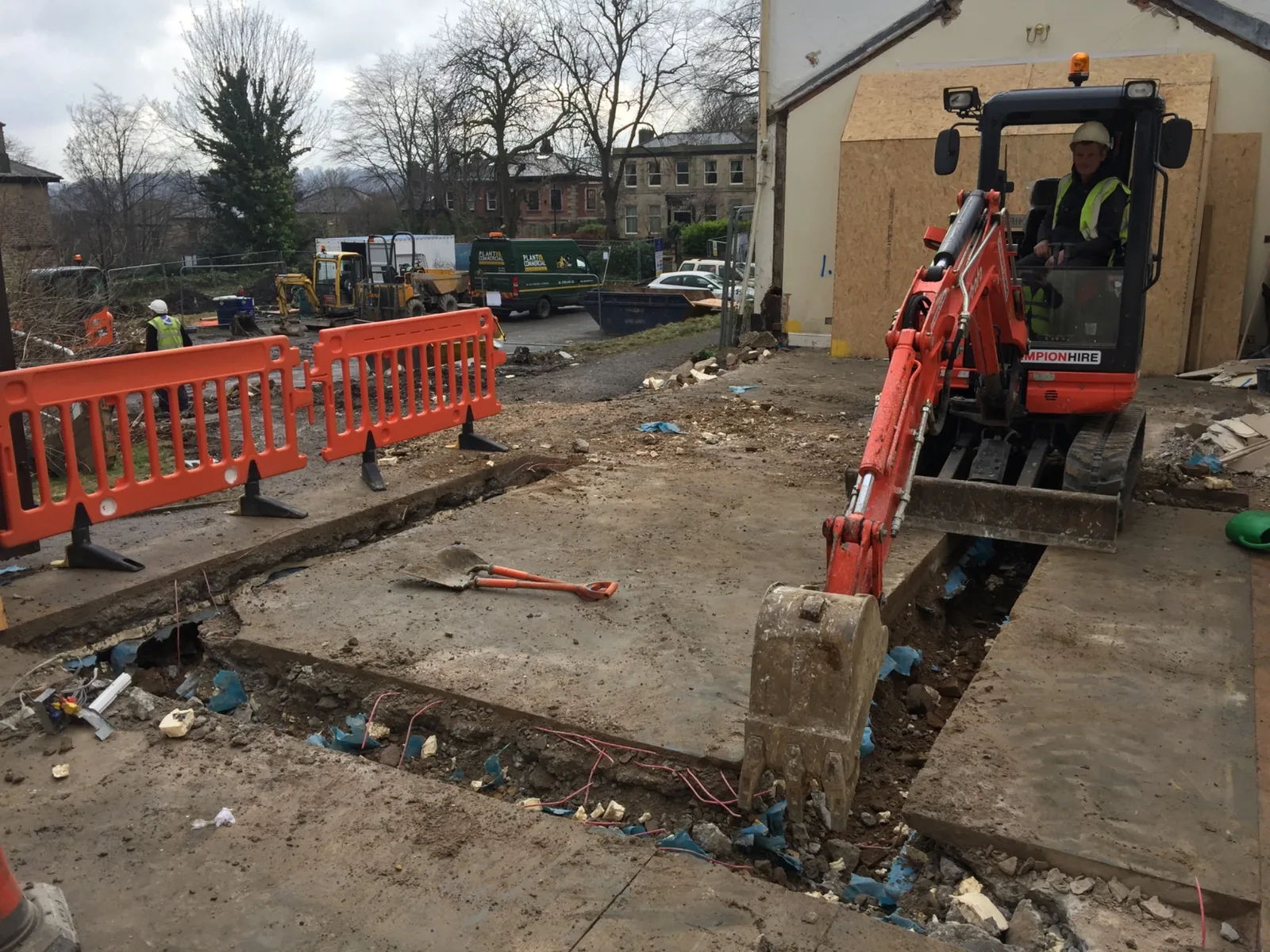
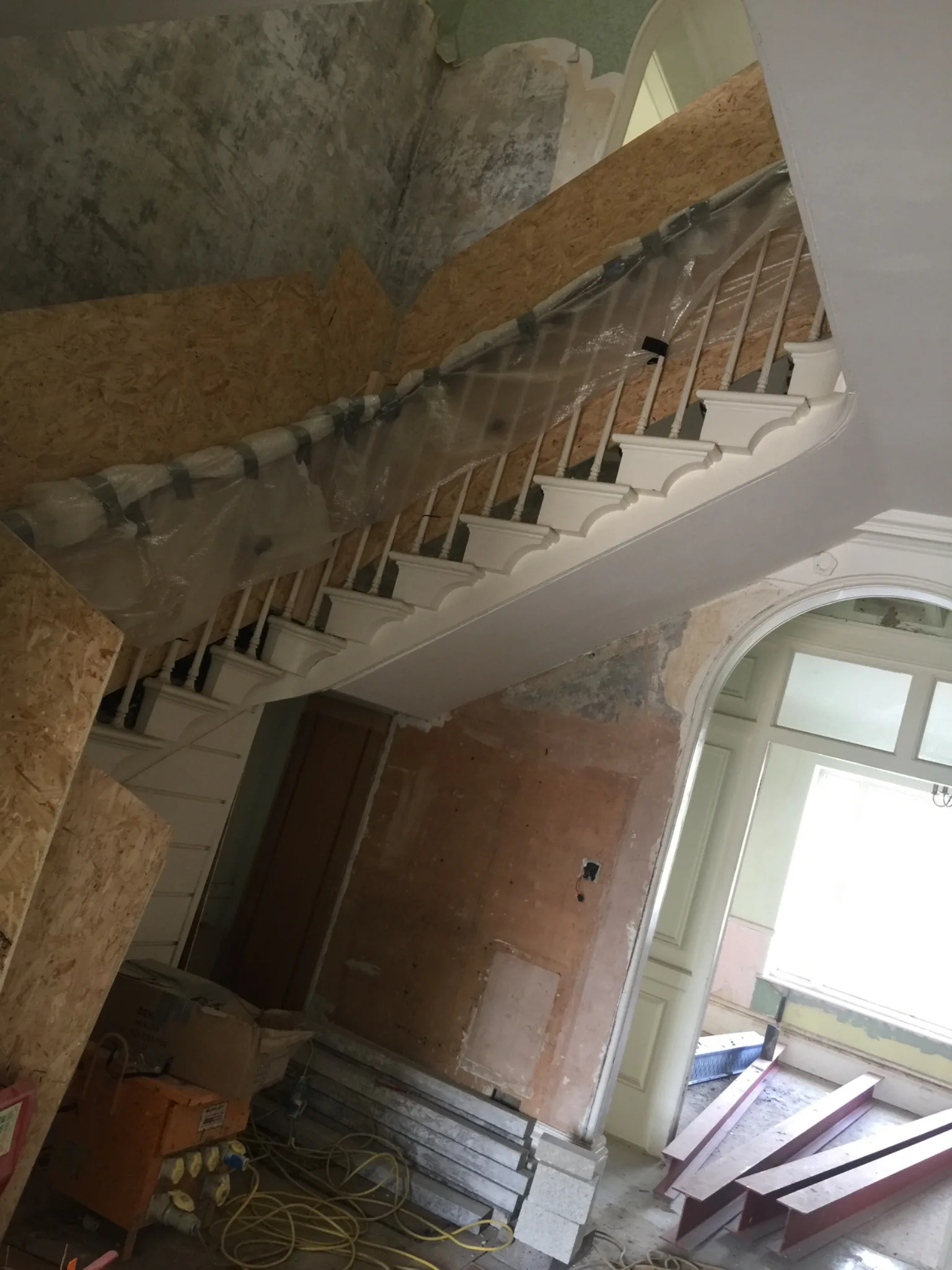
A selection of photographs from the Broomgrove Mews development showing the practical challenges of new-build construction alongside the careful conversion and protection of the listed building.

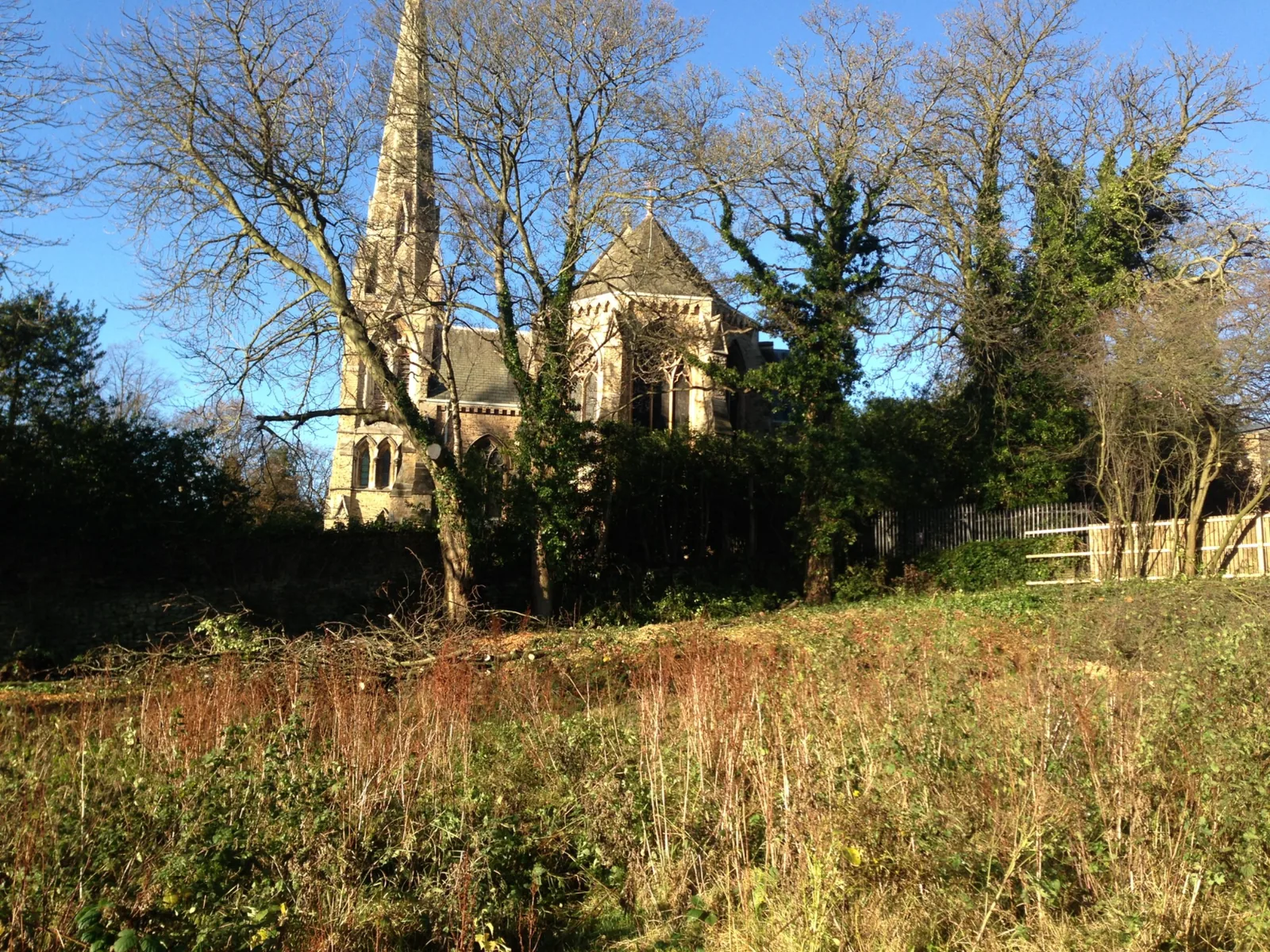
Broomgrove Mews site clearance
Site clearance begins. Preparing the constrained site for the new development.
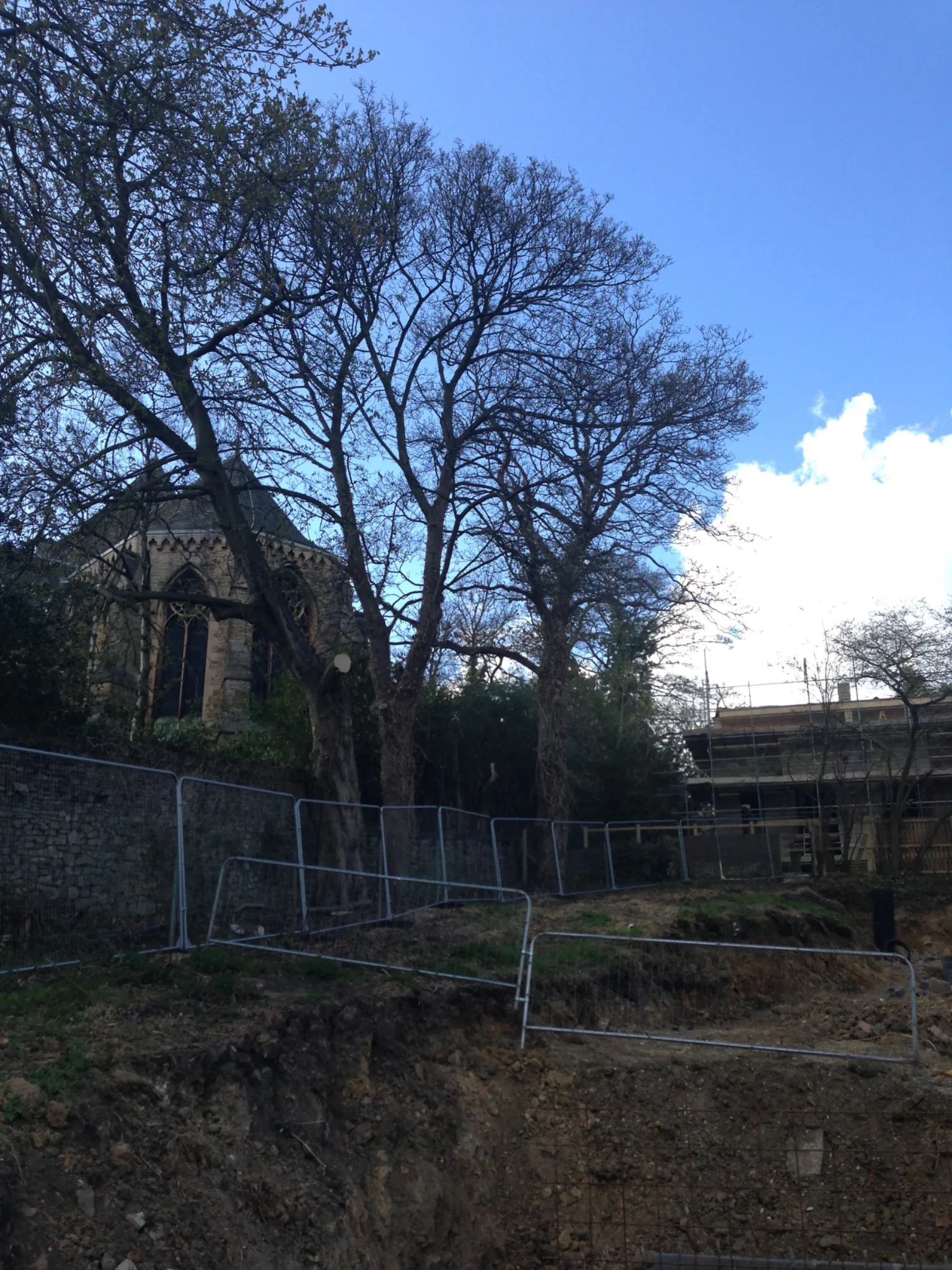
New-build foundations at Broomgrove Mews
New-build foundations. Construction gets underway for the new properties.
Works connecting the coach house and main building
Linking old and new. The former conservatory was removed and new foundations formed as part of the works connecting the coach house with the main building.
Protected original staircase during conversion works
Protecting original features. The period staircase was carefully protected while construction work continued around it.
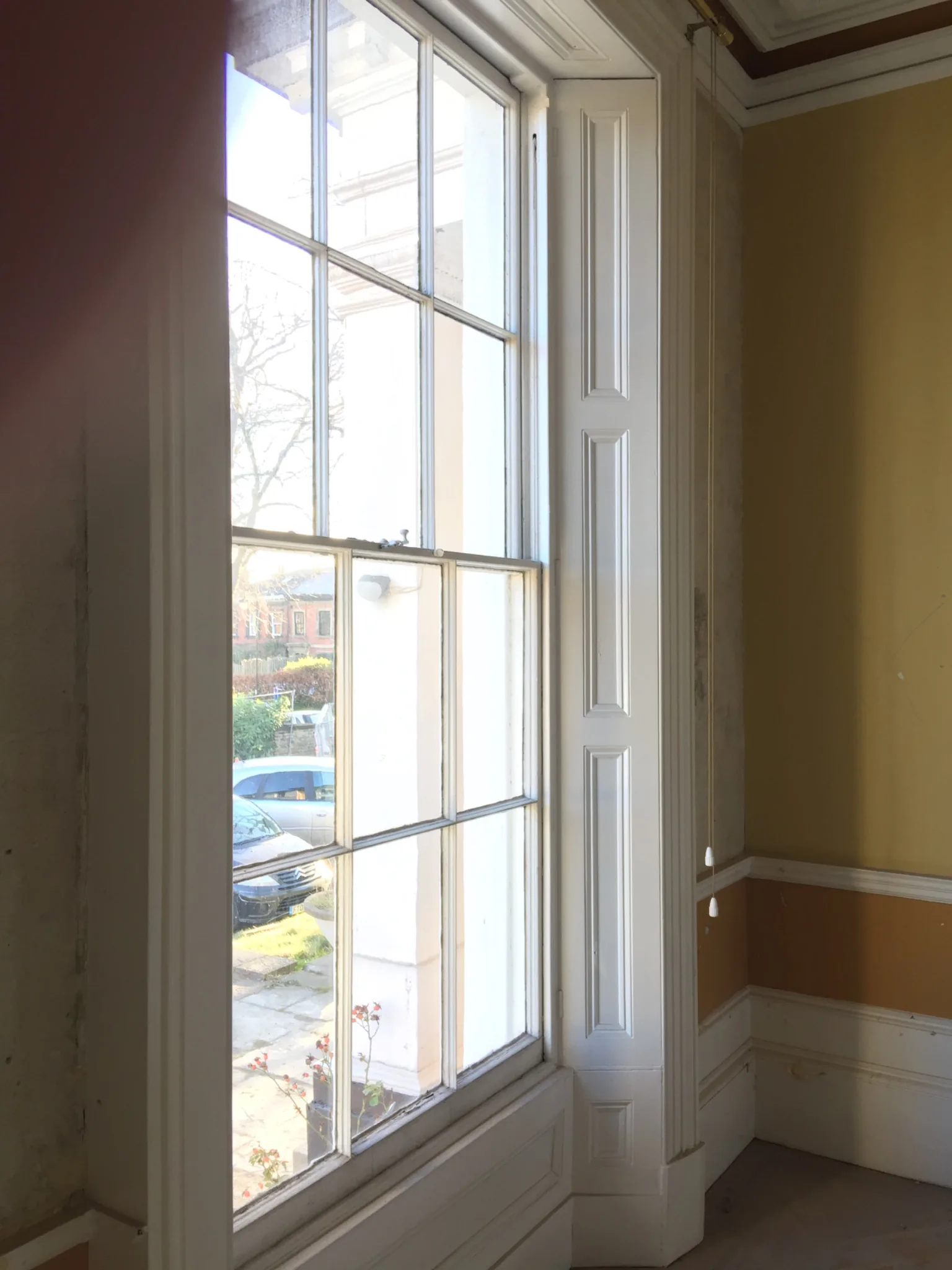
Original sash window requiring refurbishment
Original sash windows. Period windows, shutters and joinery were retained for refurbishment as part of the listed-building conversion.
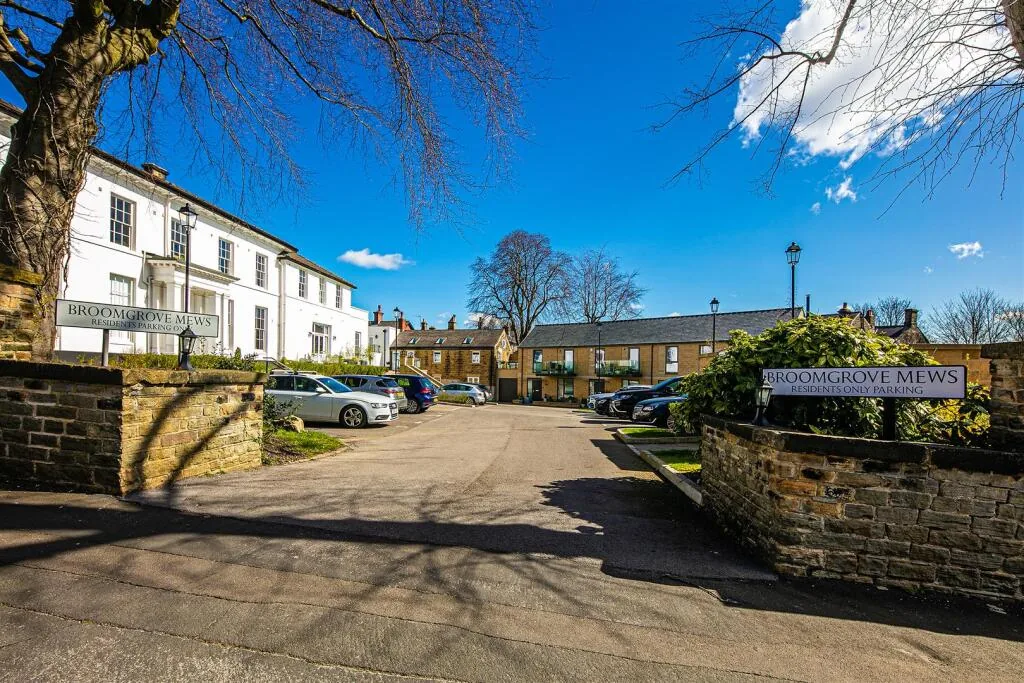
Completed Broomgrove Mews development
The completed development. The finished Broomgrove Mews scheme closely reflects the original design vision.
Case Study 02

Ranmoor Gardens, Sheffield — 11-Home Brownfield Residential Development

From challenging brownfield site to successful residential development.

Ranmoor Gardens was my first multi-property new-build development: an 11-home, high-quality residential scheme on a brownfield site in Ranmoor, Sheffield.

The site was purchased from the local council following a competitive tender process. It presented a number of challenges, including its conservation-area setting, a steeply sloping site, difficult ground conditions affecting the foundations and multiple planning restrictions.

I designed the scheme around two distinct buyer groups. The larger five-bedroom semi-detached homes were aimed at families wanting to move into the area, while the four-bedroom townhouses were designed to appeal to second-time movers and downsizers.

As part of the planning requirements, an open area had to be retained at the centre of the scheme. This became an attractive landscaped communal space, but it also meant establishing a management company, appointing a managing agent and introducing a service charge.

Finding a structure that worked operationally without allowing the service charge to become a negative for buyers was an important learning experience.

  • 11 new-build homes on a brownfield site
  • Mix of five-bedroom semi-detached houses and four-bedroom townhouses
  • Conservation-area and multiple planning constraints
  • Challenging slope and difficult foundation conditions
  • Land acquired through a local-authority tender process
  • Landscaped communal area with management-company structure
  • All properties sold off-plan
  • Development delivered on budget

From brownfield site to development

What this project taught me

Ranmoor Gardens was a steep learning curve and an important step in my development career. It reinforced that successful development is not simply about building houses. You have to understand your target buyer, design the right product for the location, work through planning constraints and difficult site conditions, and think about how the development will operate long after construction is finished.

These are exactly the kinds of practical lessons I now want to pass on to developers I mentor.

Case Study 03

Doncaster Business Park — Commercial Property Development & Investment

Commercial development and investment experience at Carolina Court, Doncaster Lakeside, involving modern purpose-built office accommodation within an established business-park location.

  • Office buildings ranging from approximately 6,000 to 11,500 sq ft across the development
  • Commercial construction experience
  • Letting to multinational and local companies
  • Some assets sold and others retained as investments
  • Experience across development, letting and investment decisions
One-to-one, not one-size-fits-all

Property development isn't something you have to figure out alone.

This isn't a property course. I provide one-to-one mentoring based on hands-on experience across estate agency, property investment and development.

Bring me the actual site, the actual numbers and the actual problems you're facing, and we'll work through them together.

Whether you're assessing a purchase, questioning build costs, dealing with planning, choosing your professional team or facing an unexpected problem during a development, you'll have someone experienced to discuss it with.

Courses can teach you property development.
Mentoring helps you actually do it.

I only work with a limited number of developers at any one time, allowing me to remain personally involved and available when decisions need to be made.

One-to-one. Practical. Experienced.

The mentoring relationship

Practical access when you need it.

I aim to be readily available when you need an experienced second opinion. Mentoring includes reasonable ongoing telephone access together with one structured video call every two weeks, up to 60 minutes via Zoom, Microsoft Teams or a similar platform. Site visits can be arranged separately where they would add value to the project.

The aim is not to make decisions for you. It's to help you understand the opportunity, identify the risks and make those decisions with greater confidence.

Ongoing mentoring
£1,000 + VAT / month
£1,000 + VAT per month · Minimum commitment: 3 months

  • Reasonable ongoing telephone access
  • One structured video call every two weeks, up to 60 minutes, via Zoom, Microsoft Teams or a similar platform
  • Written email summary following each scheduled mentoring call
  • Site visits available by separate arrangement

Site visits: Available by separate arrangement as either a half-day or full-day visit, including travel time. Reasonable travel expenses are additional and agreed in advance.

  • Development and feasibility discussions
  • Practical, experience-led guidance

Frequently Asked Questions

Some of the questions I'm often asked about property development mentoring and how I work.

Who is the mentoring for?

It is for people at different stages of property development — from someone assessing a first project to an experienced developer who wants another experienced perspective on a particular site, decision or problem.

Do I need to already own a development site?

No. A major part of the mentoring can be helping you find and assess opportunities before you commit, including looking at the site, the numbers, planning considerations, likely costs and the risks that could affect the purchase.

What types of development can we discuss?

The mentoring can cover refurbishment, conversion and new-build residential projects as well as relevant commercial property issues. The important point is that we work with your actual opportunity or project rather than a generic course example.

What happens during the structured calls?

We normally have a structured call every two weeks by Zoom, Microsoft Teams or similar. We review progress, decisions that need to be made, current problems and the priorities before the next call. I follow up with an email summarising the main points and agreed actions.

Can I contact Jonathan between the structured calls?

Yes. The mentoring is designed to provide practical access between scheduled calls when decisions or problems arise. I work with a limited number of developers so I can remain personally involved.

What does the mentoring cost?

The mentoring fee is £1,000 + VAT per month, with a minimum three-month commitment. We start with a free 30-minute call to discuss what you are working on and whether the mentoring is a good fit.

Your free 30-minute call

A conversation about where you are — and where you want to go.

The purpose of the first call is for me to understand where you are in your development journey, gauge your current level of knowledge and find out how you want that journey to progress.

I'll ask you questions about your experience, ambitions and timescales. I'm also happy to explain what I can do to help and answer any questions you have.

There is no obligation. It's simply an opportunity to see whether we would like to explore working together.

What we'll discuss

  • Where you are now in your development journey
  • Your current property and development experience
  • What you would like to achieve
  • Your development ambitions and timescales
  • Where you may need additional knowledge or support
  • How my experience and mentoring could help
Book Your Free 30-Minute Call
Start with a conversation

Let's see if we're a good fit.

You can book a free 30-minute call, or send me a little information about where you are in your development journey and I'll get back to you.

Your enquiry will be sent securely through the website. Jonathan will respond using the contact details you provide.

By sending an enquiry, you provide your details to JND Frith Ltd so that Jonathan can respond to your enquiry and, where relevant, discuss mentoring services. Please see the Privacy Policy for more information.

Prefer to contact me directly? Jonathan Frith · 07703 257850 · jndfrith@aol.com